
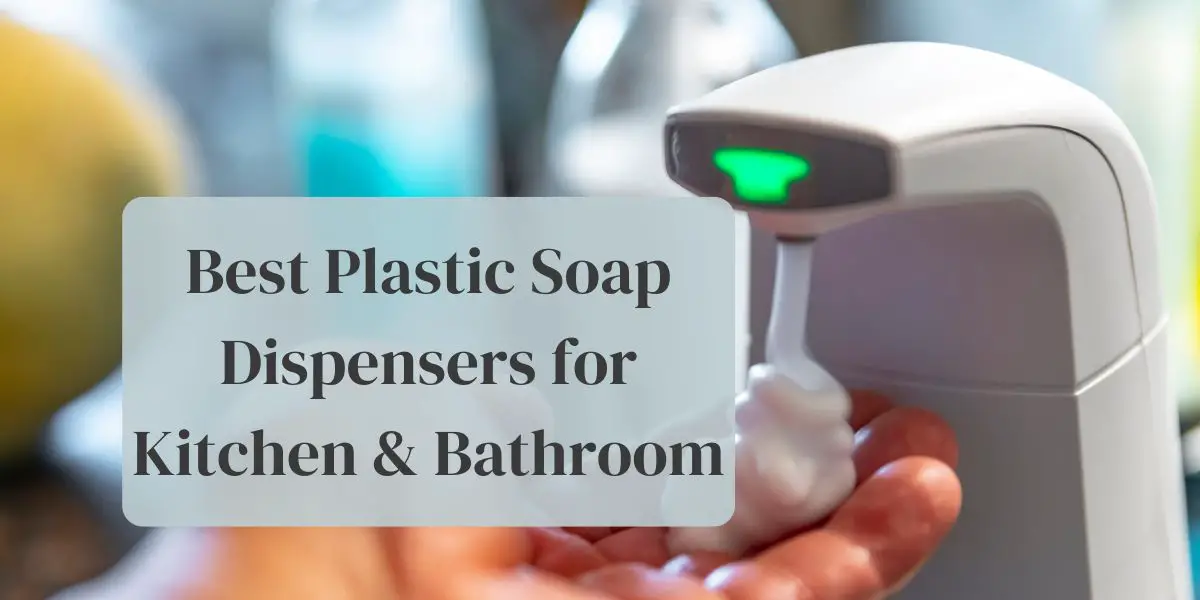
A plastic soap dispenser can be a sensible environmental choice when it is already in your home, works reliably and is refilled for years. Buying a new plastic dispenser is not automatically sustainable, but neither is discarding a serviceable one simply to replace it with glass or metal.
The useful question is whether the dispenser reduces repeated packaging and lasts long enough to justify its production. Pump quality, refill format and actual reuse matter more than the word reusable on the label.
When keeping plastic makes sense
- The dispenser is intact, stable and easy to clean.
- Its pump works with the soap and can be replaced.
- A lower-packaging refill supply is available.
- Light weight or break resistance is important for children or shared facilities.
- Replacing it would provide no meaningful functional improvement.
Waste-prevention guidance generally prioritises using fewer materials and reusing products before recycling. The NSW EPA waste hierarchy explicitly places avoidance, reduction and reuse above recycling.
What can make a plastic dispenser a poor choice?
| Problem | Consequence | Better specification |
|---|---|---|
| Brittle decorative plastic | Cracks and early replacement | Tough body with a warranty |
| Proprietary pump | Whole bottle discarded after pump failure | Standard neck and replacement pump |
| Narrow opening | Difficult cleaning and messy refilling | Wide removable closure |
| Unstable base | Falls, leaks and wastes product | Low, broad base |
| Opaque body | Harder to see residue or fill level | Inspection window or easy disassembly |
| Mixed bonded materials | Difficult end-of-life separation | Clearly identified, separable parts |
Does refilling always cut waste?
Not necessarily. A small flexible pouch may use less material than a new rigid pump bottle, but local recycling, transport, leakage and the number of refills change the result. Returnable bulk systems can be better when containers are genuinely collected, washed and reused.
The US EPA’s plastic-pollution strategy notes that plastic products and packaging are not always designed for sustainable end-of-life management and calls for reduced production and expanded reuse. Its strategy summary is a useful reminder that recyclability alone is not enough.
How to extend service life
- Use the soap viscosity specified for the pump.
- Do not dilute soap unless the manufacturer permits it.
- Clean residue from the pump, neck and dip tube.
- Keep the dispenser out of prolonged heat and direct sunlight.
- Replace a compatible pump rather than the entire bottle.
- Retire cracked, sharp or permanently contaminated parts.
Plastic versus glass or metal
Plastic is light, break-resistant and practical in showers, children’s bathrooms and high-traffic spaces. Glass is stable and easy to inspect but can break. Metal resists impact but can corrode and is opaque. The best material depends on the location and how long the dispenser will remain safe and functional.
Our main refillable soap-dispenser guide compares glass, plastic, metal, ceramic and wall-mounted options. For child-accessible spaces, use the safety-first children’s dispenser guide.
Bottom line
Keep and refill a functional plastic soap dispenser rather than replacing it for appearance. If buying new, choose a stable bottle with a standard replaceable pump and an available low-waste refill route. Durability and repeated use determine whether the purchase earns its environmental claim.


haha that panda soap dispenser <333
awww!!
and yes, definitely would choose plastic over wood/bamboo or any other material. It's also easy to throw out when it gets ugly. But I guess most of these products have been tested over a long period of time since you recommend them on your website?
Hi! Correct! 🙂
I always try the products that I recommend on my website.
Plastic > Wood.
Sorry to say that, but it’s true. And the consumers buying wood: YOU DO NOT SAVE THE PLANET. As long as we have politicians that do not understand the importance of reducing CO2 emissions, it doesn’t matter whether or not you buy a soap plastic dispenser or a soap wood dispenser. zero impact my friend
Hi. I sort of agree with you.
But you have to remember that the consumer got an awful lot of power. Especially if all people on this planet decide to buy eco-friendly products tomorrow: that would put a lot of (bad) businesses out of business. 😉
just to jump in here with some product recommendatino:
DO NOT buy automatic soap dispensers. they stop working after a year or so and it’s impossible to fix them.
On a website about eco-friendly products, you should tell the crowd not to buy them.
Wood or bamboo are the best materials in my opinion.
the problem is with the pump. bamboo soap dispensers tend to have a pump that gets destroyed easily. Plastic soap dispensers have pumps that are amazing..because theyre made out of plastic
I bought an automatic soap dispenser about a year ago. I don’t even know where to start to describe the experience.
Horrible.
1) It stops working after two weeks. I send it back to the manufacturer.
2) THey send me a new one.
3) That stops working as well.
4) I send it back and ask for my money. Radio silence.
since then, I haven’t heard from them. But honestly, it’s a lesson learned. I should not have bought any soap dispenser outside Amazon. That’s for sure. 🙂
With Amazon, at least you have good shipping options + you are sure the product isn’t too bad.
Hi Julia. Sad to hear about your bad experience.
However, I’m not surprised. I would say that 70-80 % of all the automatic soap dispensers sold on Amazon are quite bad. That’s not something I am saying – but you can also have a look at the reviews on Amazon.com.
An automatic soap dispenser is very good in public toilets. That makes it impossible to share any “diseases” with the person that was there before you. But in a private bathroom? Naah…I’d go for something else. 🙂