
Sustainable Eating: A Practical Guide
Sustainable eating means choosing a healthy, affordable diet while reducing avoidable harm to climate, land, water, biodiversity, workers and animals. The biggest household levers are…
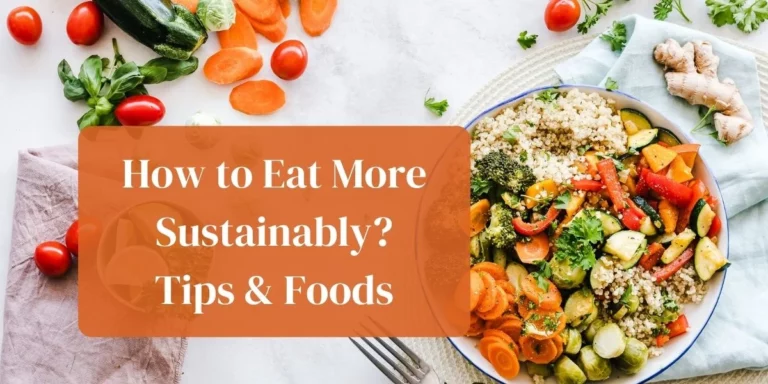
Sustainable eating means choosing a healthy, affordable diet while reducing avoidable harm to climate, land, water, biodiversity, workers and animals. The biggest household levers are…

Cooking at home can be better for the environment, but the location is not the deciding factor. What you eat, how much food is wasted,…

A zero-waste kitchen is not a kitchen that produces literally no rubbish. It is a practical system for buying only what will be used, keeping…
A trustworthy food certification has a public standard, independent assessment, traceability rules and a way to verify certified operators or products. Even then, the label…

There is no universally safe or legal best time to dumpster dive. Visiting at night does not create permission, and it can increase risks from…
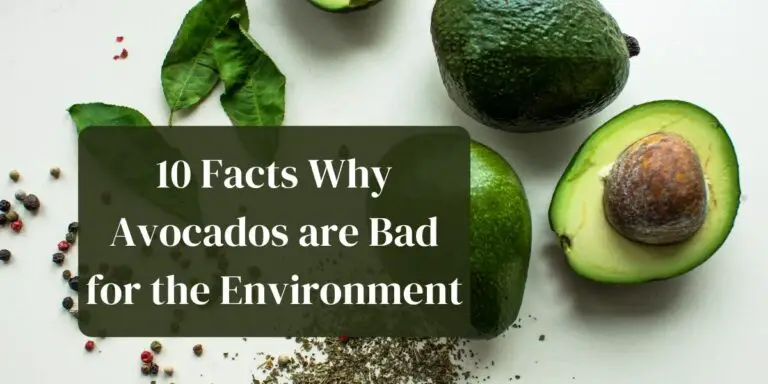
Avocados can have a substantial environmental footprint, but viral claims that assign one universal water or carbon number to every fruit are misleading. Impacts vary…
Too Good To Go connects shops, bakeries, supermarkets and restaurants with customers who buy unsold food, usually as a discounted surprise bag collected during a…

Fast food’s environmental footprint comes from the whole system behind the meal: livestock and crop production, land conversion, fertiliser, processing, refrigeration, transport, packaging and discarded…
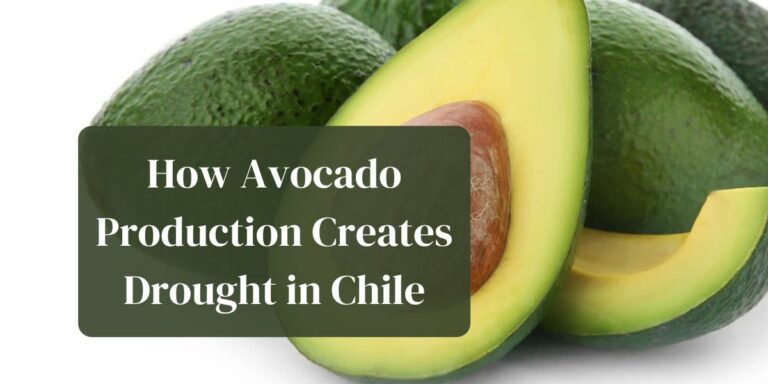
Avocado production did not create Chile’s long drought by itself. In the Petorca basin and other dry parts of central Chile, water scarcity reflects a…