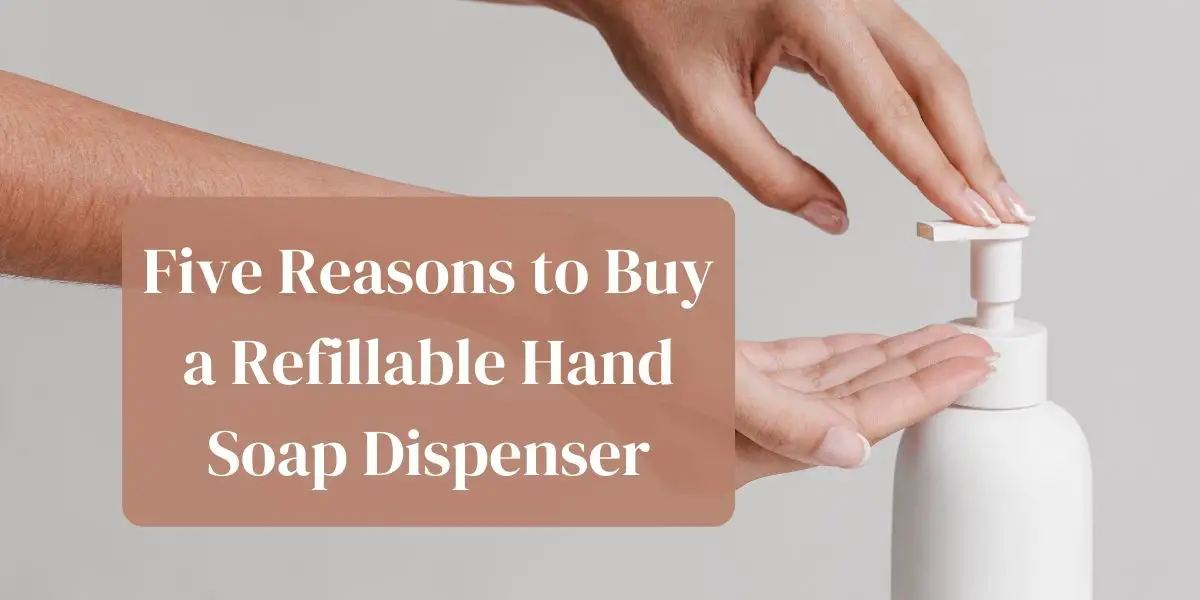
A refillable soap dispenser can reduce repeated purchases of small plastic bottles, especially when it is filled from a concentrated product, returnable container or genuinely larger pack. The dispenser itself is only part of the result: durability, refill format, hygiene and the amount of soap used determine whether it is a practical improvement.
Choose a container that can be opened, washed and dried properly. Avoid topping up a partly empty reservoir, because old soap and moisture can remain inside and contaminate the new refill.
Why use a refillable dispenser?
| Potential benefit | When it is most likely | What can weaken it |
|---|---|---|
| Less packaging | Bulk, concentrate, return or package-free refills | Buying many small refill pouches |
| Longer product life | A repairable pump and durable bottle | A pump that fails before the bottle |
| Controlled dosing | A pump gives a consistent small amount | Oversized doses or a leaking pump |
| Lower cost | The refill price per use is lower | Premium bottles and costly proprietary refills |
| Simpler surfaces | One stable, easy-clean container | Decorative seams that trap residue |
Choose the bottle and pump
- Pick a stable base that will not tip when pressed with one hand.
- Check that the neck is wide enough for filling and cleaning.
- Prefer a replaceable pump with readily available parts.
- Choose a capacity that will be used before residue accumulates.
- Use a corrosion-resistant pump for wet bathrooms and kitchens.
- Avoid transferring products into containers that could be mistaken for food or drink.
Glass is easy to see through and can last for years, but it can break beside a hard sink or in a child’s bathroom. Stainless steel hides the fill level and may show fingerprints, while durable plastic is light and less breakable. Material labels alone do not decide the footprint; service life and refill habits matter more.
Refill it hygienically
The US Centers for Disease Control and Prevention advises against adding soap to partially empty dispensers. Its infection-control guidance says refillable containers should be emptied, washed and dried thoroughly before they are refilled. A closed, replaceable cartridge can be preferable in higher-risk settings.
- Wash hands and empty the remaining soap rather than topping it off.
- Take the pump apart only as the manufacturer permits.
- Wash the reservoir and pump, rinse them well and allow every part to dry fully.
- Refill with the intended soap without diluting it unless the product specifically requires dilution.
- Wipe spills from the bottle and label unusual contents clearly.
For routine household handwashing, the CDC says plain soap and water work and that consumer antibacterial soaps have not been shown to provide an added health benefit. See the CDC’s hand-hygiene FAQ and dispenser guidance for the underlying advice.
Refill formats to compare
A large rigid bottle may use less packaging per litre but can still be difficult to recycle locally. Flexible pouches use less material but are often not accepted in kerbside recycling. Concentrates can reduce shipping weight, while return systems can reuse durable containers when cleaning and transport are well managed.
Check the disposal route where you live before treating a recycling symbol as a guarantee. Buy a quantity your household can use and store safely; wasted or degraded product cancels much of the benefit.
A practical buying checklist
- Can the reservoir and pump be cleaned and dried?
- Is the pump replaceable without discarding the bottle?
- Does the supplier sell a lower-packaging refill you will actually use?
- Is the bottle stable, labelled and suitable for the room?
- What is the cost per 100 millilitres or per refill?
For more low-waste choices, see our zero-waste kitchen guide and guide to bamboo bath mats.
Bottom line
A refillable soap dispenser is worthwhile when it lasts, dispenses reliably and works with a sensible refill system. Empty, clean and dry it before refilling, do not casually dilute soap, and judge the whole arrangement—bottle, pump, refill and local disposal—rather than the container alone.