
Whole-House Reverse Osmosis: Is It Worth It?
Whole-house reverse osmosis can be worth it when laboratory testing confirms a dissolved contaminant or high salinity problem across the entire supply and a water-treatment…
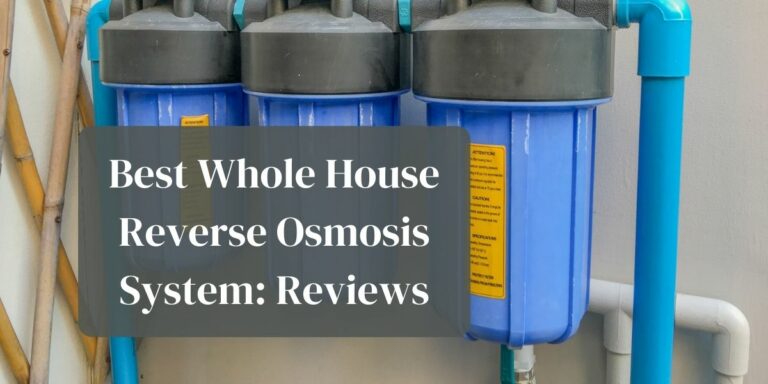
Whole-house reverse osmosis can be worth it when laboratory testing confirms a dissolved contaminant or high salinity problem across the entire supply and a water-treatment…
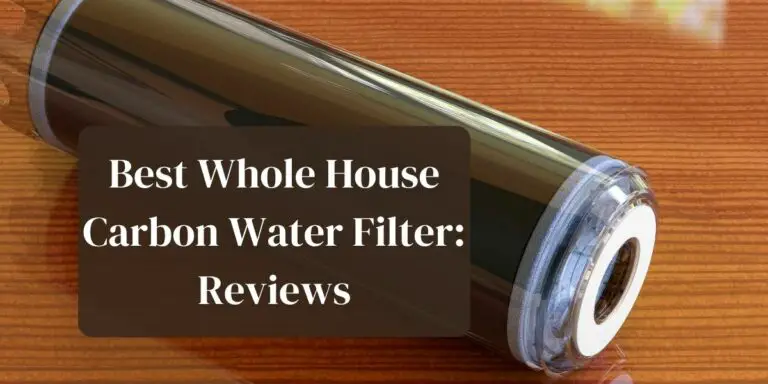
Learn what whole-house carbon filters remove, what they miss, how to size one, and how to verify certification before buying.
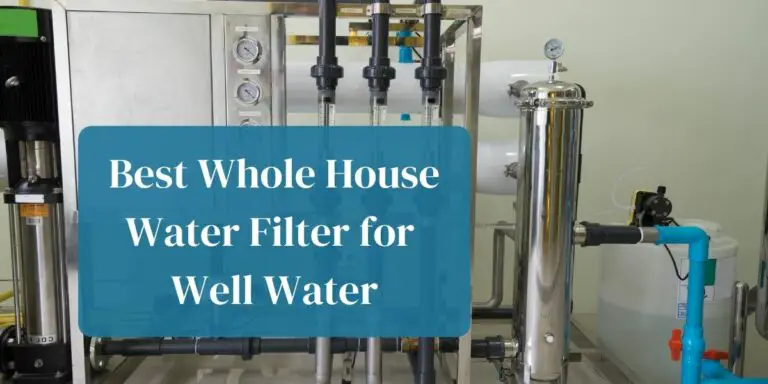
The best whole-house filter for well water is not a particular brand. It is a treatment train selected from a certified laboratory test, sized for…
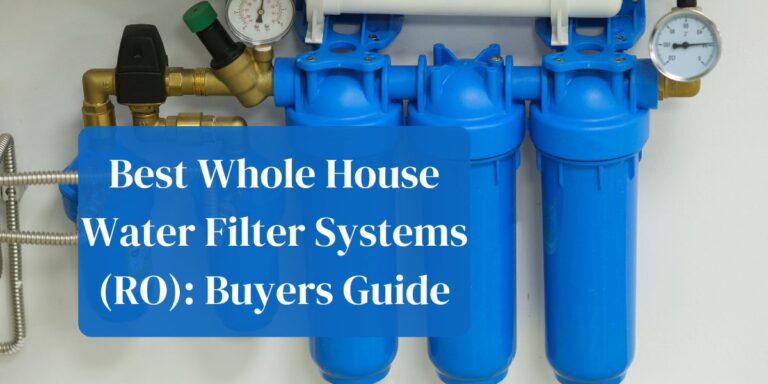
The best whole-house water filter is the smallest point-of-entry system that is independently certified or professionally designed to treat the contaminants confirmed in your water….
No. Boiling water does not remove fluoride. Because water evaporates while dissolved fluoride generally remains behind, prolonged boiling can slightly increase the fluoride concentration in…

Reverse osmosis can reduce many dissolved salts, metals and other contaminants, but the exact answer depends on the complete system and its certified claims. The…
A reverse osmosis system can be a good fit when testing identifies contaminants that a certified unit is designed to reduce. It can be a…

The best alternative to reverse osmosis is not one particular filter. It is the least intensive treatment that is independently certified to reduce the contaminants…
The right way to make water safer depends on the hazard. Boiling and disinfection target germs; filters remove only the particles or contaminants they are…
A point-of-use reverse-osmosis system sends part of its feed water to the drain to carry rejected salts and contaminants away from the membrane. The amount…
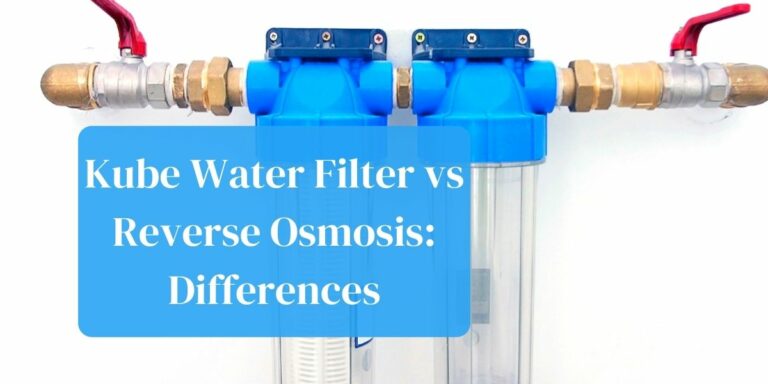
The short answer: a Kube under-sink filter and a reverse-osmosis system solve different water-quality problems. Kube uses replaceable adsorption and filtration media while retaining dissolved…
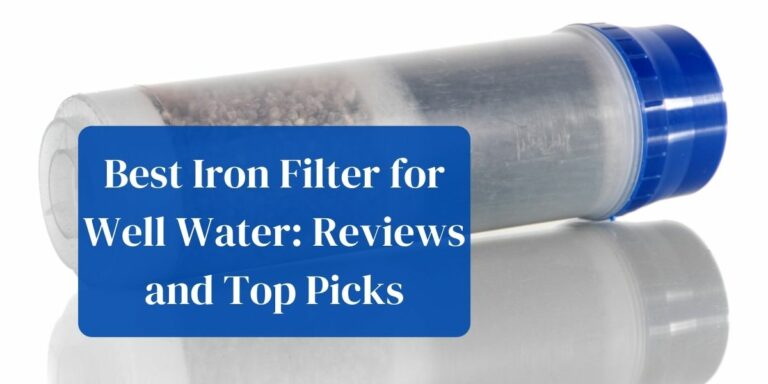
The best iron filter for well water is the system matched to a laboratory result, the form of iron, the water’s pH and the household’s…
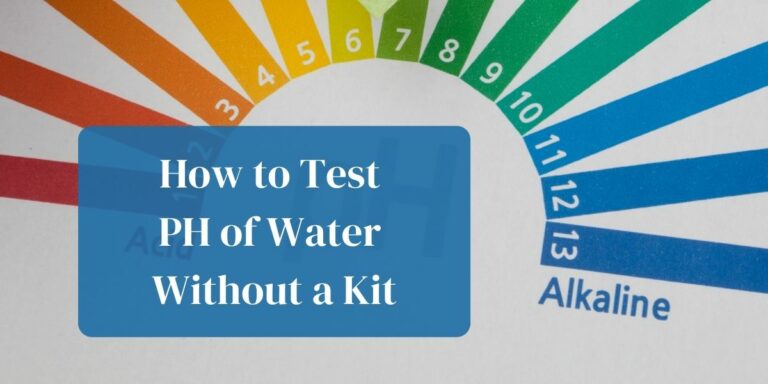
Red cabbage can show whether water is acidic or alkaline, but it cannot prove drinking-water safety. Here is how to use it correctly.
Most water-softener problems come from an empty salt supply, a salt bridge, loss of power, incorrect settings, a blocked drain path or a valve that…
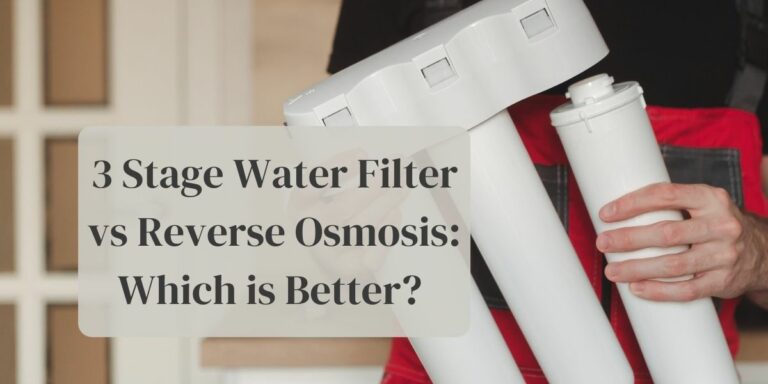
The main difference: “three-stage water filter” describes a sequence of cartridges, while reverse osmosis describes a membrane process. A three-stage unit may remove sediment, chlorine,…
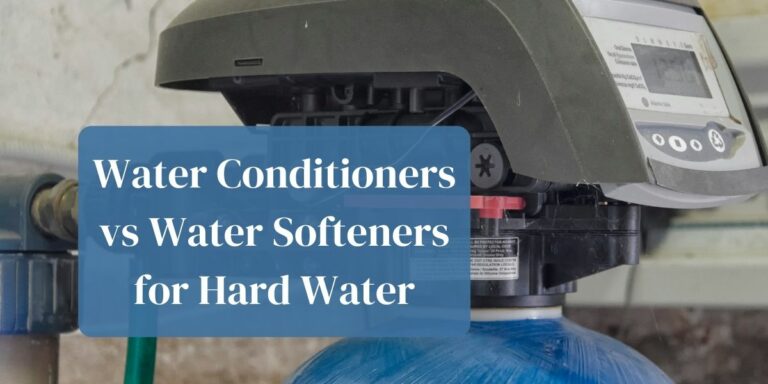
A water softener removes hardness ions through ion exchange. A water conditioner is a broader, inconsistently used term for equipment that may change scale behaviour,…
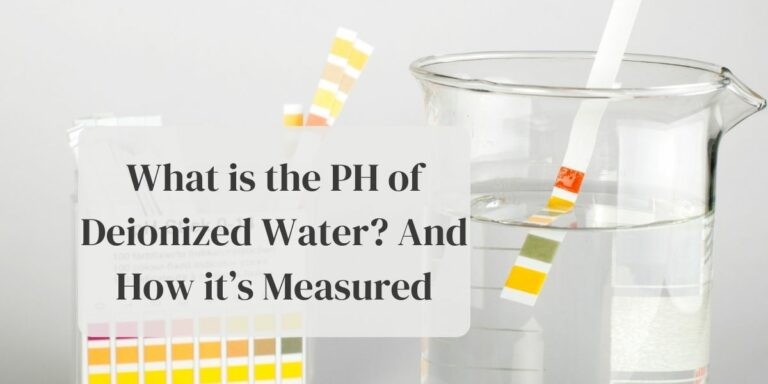
Deionized water is theoretically near pH 7, but air exposure and very low conductivity make its actual pH difficult to measure.

If water tastes sweet, compare taps and another water source first. Learn when to test the supply and when a persistent taste needs medical advice.