
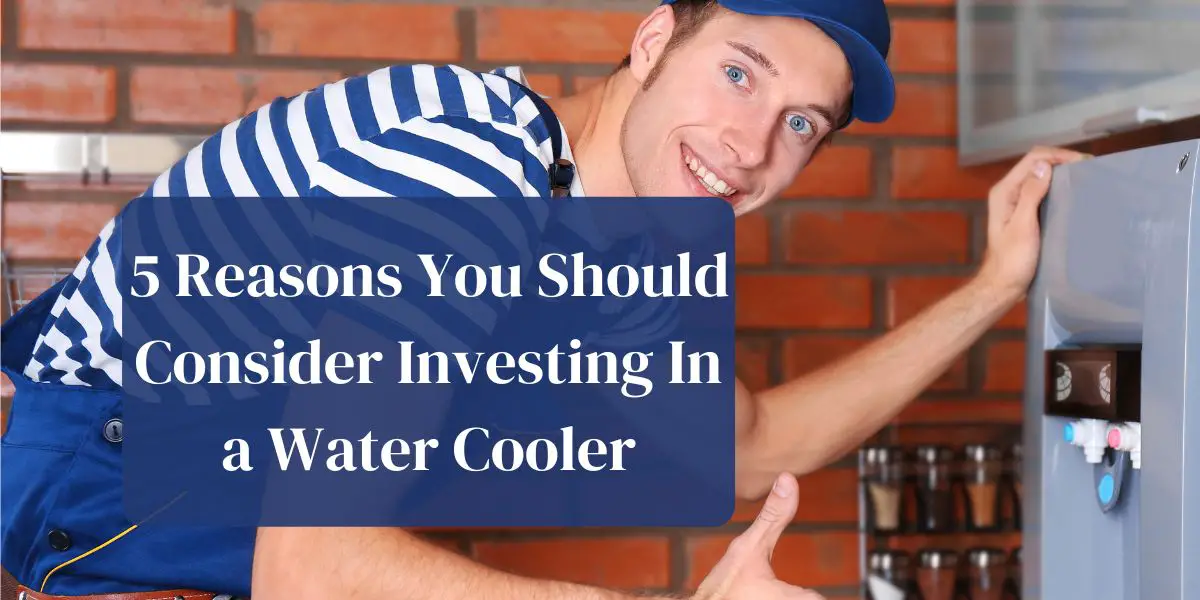
The best water cooler is the one that fits the water source, daily demand and cleaning routine without running unnecessary hot or cold functions. Compare bottled, bottom-loading and bottleless dispensers on energy, maintenance, spill risk and total cost rather than on styling alone.
A dispenser is not automatically a purifier. A bottleless model treats water only to the extent supported by its exact filters and certifications, while a bottled model depends on the quality and handling of the supplied water.
Choose the format first
| Format | Advantages | Trade-offs |
|---|---|---|
| Top-loading bottle | Simple water-level check and broad availability | Heavy lifting, spills and bottle storage |
| Bottom-loading bottle | Easier bottle changes and cleaner appearance | Pump, tubing and electricity add complexity |
| Bottleless or mains-connected | No bottle transport or storage | Plumbing, filters, sanitation and leak protection required |
| Countertop dispenser | Smaller footprint | Lower capacity and limited clearance for containers |
| Ambient-only unit | Lowest mechanical complexity | No chilled or instant-hot water |
Energy use matters
Heating and refrigeration consume energy continuously when left enabled. ENERGY STAR says its certified water coolers use about 22% less energy than conventional models. Compare the current certified-product listing for the exact unit rather than relying on an old badge in a marketplace image.
- Disable the hot-water function if it will not be used.
- Use an energy-saving timer only if the manufacturer permits it.
- Keep condenser ventilation clear and avoid hot, enclosed locations.
- Choose capacity for normal demand rather than the largest tank available.
- Compare standby energy as well as cooling and heating performance.
Water source and treatment
For a bottleless cooler, begin with the local water-quality report or a private-source test. Select filtration for identified issues and verify model-specific contaminant claims. A carbon cartridge may improve taste and reduce a certified contaminant, while reverse osmosis has different plumbing, wastewater and maintenance needs.
If purchased water is used, read the source and treatment information available from the supplier. Our guide to whether bottled water is distilled explains why package type does not reveal the treatment method.
Hygiene and cleaning
Reservoirs, taps, drip trays, bottle necks and internal tubing can accumulate scale or biofilm. Follow the manufacturer’s sanitation procedure and interval. Wash hands before changing bottles, clean the bottle neck and probe as directed, and keep the drip tray dry.
Do not improvise chemical concentrations or mix cleaning agents. If the unit has been unused, contaminated, recalled or subject to a boil-water advisory, follow the supplier and local health authority’s instructions before returning it to service.
Safety and usability
- Choose a hot-water control with a child-resistant lock where children are present.
- Check cup and bottle clearance before buying.
- Use leak detection or a shut-off for plumbed-in units.
- Place freestanding models on a level surface and secure them if required.
- Confirm noise level, ventilation clearances and access for servicing.
- Avoid lifting large bottles without a safe method.
Five-year cost
Add the purchase price, electricity, bottles or filter cartridges, sanitation supplies, professional servicing and likely repairs. Include delivery and storage for bottled systems and installation, drainage and leak protection for bottleless systems.
A bottleless cooler can reduce packaging and transport, but only when the building’s water is suitable and the system is maintained. Refillable bottles can also perform well where delivery routes, bottle reuse and cleaning are managed responsibly.
Questions before buying
- Which temperatures and functions are genuinely needed?
- What is the exact energy rating or standby consumption?
- How is every water-contact surface cleaned?
- What do replacement filters or bottles cost over five years?
- Is the exact model certified for any claimed contaminant reduction?
- Who services leaks, pumps, refrigeration and hot-water faults locally?
For a broader treatment decision, see Whole-House Water Filters: How to Choose. Our countertop filter guide covers lower-capacity drinking-water options.
Bottom line
Choose a water cooler by format, verified treatment, energy use, hygiene and lifetime cost. The most sustainable unit is usually the smallest reliable configuration that meets real demand, can be cleaned properly and does not keep unused heating or cooling functions running.



I have a Brio water cooler for 5 years now and after reading your guide I will get one more. Thank you! Great source of information about water cooler.