
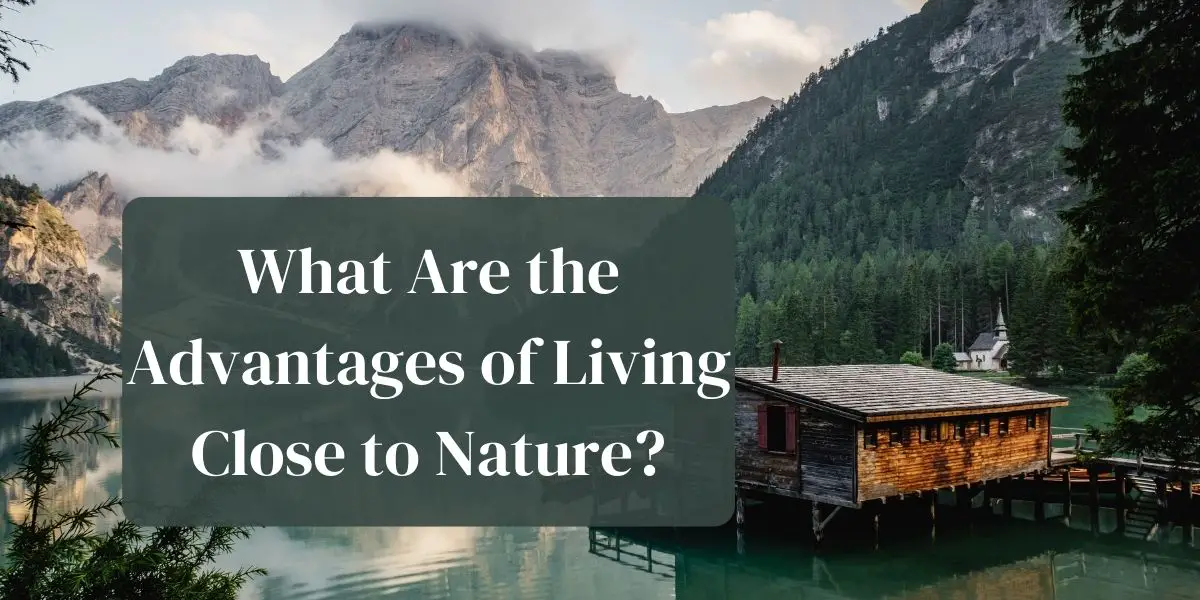
Living near parks, woodland, coast or other accessible natural space can support mental well-being, physical activity, social connection and relief from heat and noise. The benefits are real but not automatic: safety, accessibility, housing quality, transport and the condition of the environment all matter.
The original version of this article drew on time spent at a family cabin in the Scandinavian woods. That personal experience—slower pace, wildlife and a stronger sense of quiet—fits the evidence better when presented as experience rather than proof that rural living guarantees health or a longer life.
What research supports
| Potential benefit | Likely pathway | Important qualification |
|---|---|---|
| Lower stress and improved mood | Restoration, attention change and enjoyable activity | Nature is supportive, not a replacement for healthcare |
| More physical activity | Attractive places for walking, cycling and play | Paths must be safe and accessible |
| Social connection | Shared parks and community spaces | Poor design can exclude some residents |
| Heat reduction | Shade and evapotranspiration | Benefit varies by canopy, water and local climate |
| Less noise exposure | Distance and vegetation within good planning | A thin tree screen will not block major transport noise |
| Contact with biodiversity | Observation, learning and sense of place | Wildlife habitat should not become entertainment pressure |
WHO’s urban green spaces and health review identifies psychological relaxation, physical activity, social cohesion and reduced exposure to heat, noise and air pollution as important pathways. It also stresses that design and access shape the result.
Living near nature is not the same as using it
A view of trees may be pleasant, but regular contact and easy access are more actionable. A small urban park used several times a week can be more beneficial than distant wilderness that requires a long drive.
- Walk or sit outside at a time and duration that suits your health.
- Choose an accessible route rather than treating difficulty as part of the benefit.
- Notice seasonal change, birds, plants and sound without needing a strenuous activity.
- Join a local group when social connection is a goal.
- Use shade, water, sun protection and weather information appropriately.
Limits and trade-offs
Rural and forest-edge homes can face bushfire, smoke, pollen, wildlife conflict, poor public transport and longer journeys to work or healthcare. Damp, cold or unsafe housing does not become healthy because it has a beautiful view. Urban greenery can also raise rents and displace the people it was intended to benefit.
A 2021 review of nature exposure and health found associations with mental health, physical activity, sleep, cognition and cardiovascular outcomes, while noting differences in study design and strength of evidence. Avoid turning population-level associations into promises for an individual.
Nature in cities matters
Health benefits do not require abandoning urban life. Street trees, connected parks, waterways, community gardens and shaded walking routes can bring frequent contact closer to homes. The strongest planning combines greenery with housing affordability, public transport and protection from heat and pollution.
Our guide to building a sustainable city considers those systems together. If transport noise is the problem, read what actually helps with airport noise.
A realistic starting plan
- Identify the closest safe and appealing natural space.
- Choose one repeatable visit each week rather than an ambitious target.
- Match the activity to mobility, weather and energy levels.
- Notice whether mood, sleep, movement or social connection changes.
- Advocate for accessible local green space rather than treating nature as a private luxury.
Bottom line
Living near accessible, well-designed nature can make relaxation, movement and social connection easier. It does not guarantee longevity or cure illness. The greatest benefit comes when natural space is safe, close, inclusive and part of a healthy home and neighbourhood.



I have lived outside the city for a decade, but it wasn’t until last year that I really took the big step and moved into a big cabin in the woods. Don’t get me wrong, I don’t live like the unabomber (LOL).
Electricity and water are installed, and my friends are quite happy to come and see me (it’s about an hour drive outside Boston). That being said, I can already feel the advantages of living out here. My brain is able to relax. The stress of the city life can’t beat all the nature sounds that you hear. And the raindeer that comes to see me every single morning…I wonder if I should make an Instagram account to capture cool shots about living in the woods
Hello Krüger, your name sounds German! 🙂
Quite a bold move to move out of the city, but I am really happy to hear that you’ve managed the transition well. These days, you might actually appear a bit “weird” if you make such a move, but I think it’s just really cool when people do that.
That raindeer…are you really sure it’s a raindeer close to Boston? haha, that would surprise me. Possibly a moose? 😉