
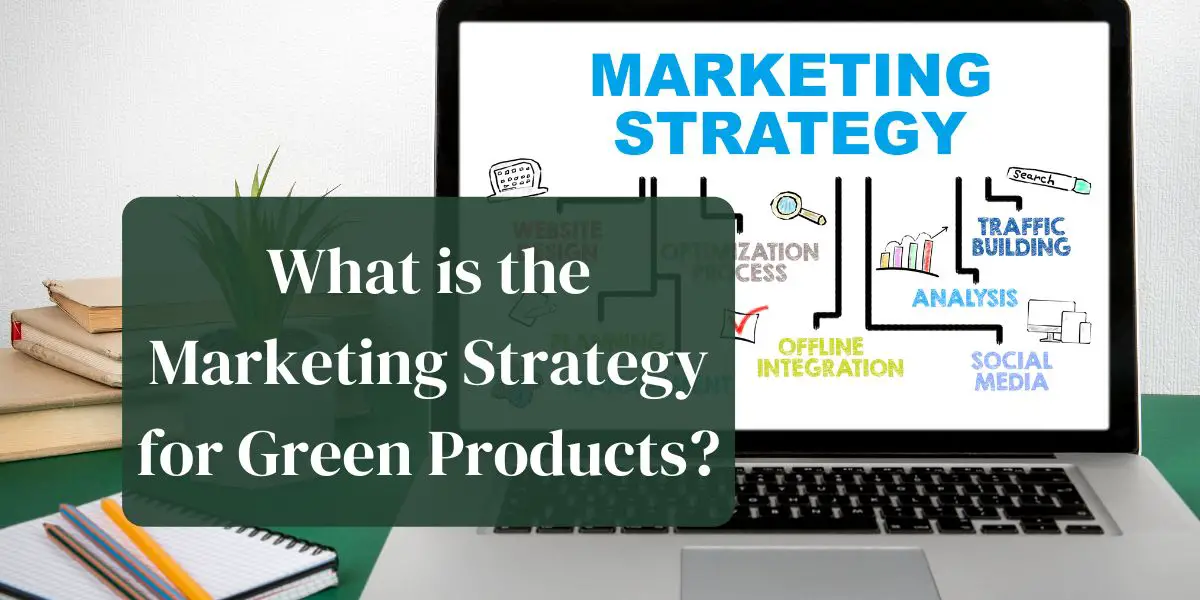
A credible green product marketing strategy begins with product performance and evidence, not leaf imagery or a vague promise to be eco-friendly. Define the audience’s real problem, improve the product where impacts are material, document the result and communicate only what the evidence supports.
This approach is less flashy than adding a green label, but it is more defensible and more useful to buyers.
The strategy in seven steps
- Choose a specific customer and the job the product must do.
- Map the product life cycle and identify the most material impacts.
- Improve design, sourcing, durability, use or end of life where it matters most.
- Collect evidence using a method appropriate to the claim.
- Turn broad sustainability language into specific, qualified messages.
- Make proof easy to find at the point of decision.
- Measure sales, returns, product performance and impact—not impressions alone.
Build the claim from the evidence
| Weak claim | Stronger direction | Evidence to show |
|---|---|---|
| Eco-friendly | Uses 40% recycled aluminium by mass | Material specification and chain-of-custody records |
| Zero impact | Factory electricity matched with renewable supply for the stated year | Boundary, dates and procurement method |
| Biodegradable | Meets a named test under stated disposal conditions | Standard, timeframe and required environment |
| Plastic-free | Primary pack contains no plastic; seal excluded | Clear boundary and packaging breakdown |
| Carbon neutral | Measured scope and dated reduction plan; residual treatment disclosed | Inventory, method, reductions and credits |
The Australian Competition and Consumer Commission’s environmental-claims guide stresses that claims must be truthful, accurate and supported, with important qualifications clear rather than hidden. Visuals, colours, logos and omitted information can also shape the overall impression.
Position the product on more than virtue
Most buyers still need the product to work, fit the budget and be convenient. Lead with the strongest combination of functional and environmental value: a repairable appliance may save replacement cost; a concentrated refill may reduce packaging and storage; an efficient fixture may reduce water and bills.
Do not invent a benefit that the evidence does not show. A recycled input does not automatically make the total product lower-impact, and local production does not automatically outweigh materials or use-phase energy.
Choose channels that can carry proof
- Use the product page for the concise claim, scope and essential qualification.
- Link to a methodology page with data, dates, standards and exclusions.
- Train sales and support teams to use the same approved wording.
- Give retailers accurate product data instead of leaving them to improvise.
- Use packaging only for claims that remain legible and meaningful in limited space.
- Correct outdated campaigns when products, suppliers or evidence change.
Avoid the common traps
- Do not promote a minor improvement while concealing a larger material impact.
- Do not compare products without a consistent basis and boundary.
- Do not use a self-created seal that looks like independent certification.
- Do not turn an aspiration into a present-tense achievement.
- Do not rely on offsets as a substitute for explaining direct emissions reductions.
- Do not assume technical language protects an overall misleading impression.
Measure the strategy
Track conversion, repeat purchase, return rate, warranty performance and customer understanding alongside environmental indicators. If customers misunderstand the claim, the copy has failed even if a footnote is technically accurate. If the product fails early, an attractive sustainability campaign cannot rescue the underlying proposition.
See our guides to greenwashing examples, environmental marketing campaigns and sustainability certifications. The ACCC also maintains current environmental and sustainability claims guidance.
Bottom line
The best green marketing strategy is product truth made clear: improve what matters, document the result, qualify the claim and give customers a reason to choose the product beyond a green aesthetic.



Hi Amund,
Hope your keeping well.
I was onto you before about a masters dissertation topic in Marketing and Management. Iv been researching recently and have found myself drawn to influencer marketing and how scandals may have somehow tarnished or lessened the image and impact of influencer marketing, I was wondering would you have any other suggestions or questions that I could have a look into for my dissertation topic around influencer marketing?
Thank you for your time!
I believe the reason why this article isn’t getting the traction it deserves is simply because you haven’t done any good marketing towards it? haha…
no, seriously: this is great. I also love the fact that you come up with your own example of those bamboo sunglasses. Working in the “environmental industry” myself, I know that so many companies desperately try to come up with products that are not really eco-friendly, but that they can use “green marketing” towards. Seems like your product was legit though.
Thanks for the interesting article here. I am going to start a web shop selling green furniture and other eco-friendly outdoor products. But I struggle to find any bloggers that are willing to join me in a referral/affiliate program.
Do you have any experience in this? Would you be willing to join a program if I gave you a cut of the sale?
Apart from that, I really try to dig deep into marketing of green products. On the other hand, it is quite overwhelming and difficult as I don’t really know how to get started.
Hello Green Product Man,
and congratulations with opening your new business!
Sure, if you have an interesting product and global shipping option, we could talk. I will contact you separately. 🙂
Very interesting read, thanks a lot for the post. I have a small business here in California (I am originally from Slovakia) where I try to sell eco-friendly products for babies. In my niche you will see a lot of people claiming that their products are good for the baby. However, most of them do not have any arguments behind that. Parents are often very careful about which products they buy for their kids as they want them to be as healthy as possible. But I have to admit that I struggle to see that being environmentally friendly is something that helps to sell baby products.
I mean: I understand that people care more about their baby`s health than the environment. But why not both?