
Best Water Softener: A Test-First Buying Guide
The best water softener is a correctly sized, independently certified cation-exchange system matched to your measured hardness, peak flow and household water use. Brand rankings…
The best water softener is a correctly sized, independently certified cation-exchange system matched to your measured hardness, peak flow and household water use. Brand rankings…
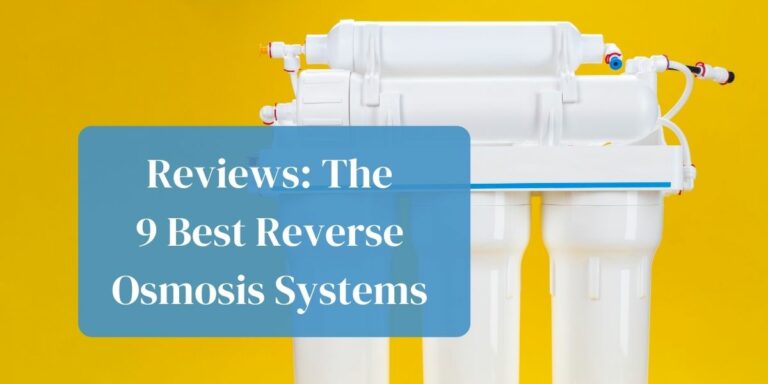
The best reverse-osmosis system is the one certified for the contaminants in your water, sized for your household and efficient enough that you will keep…
The right way to make water safer depends on the hazard. Boiling and disinfection target germs; filters remove only the particles or contaminants they are…
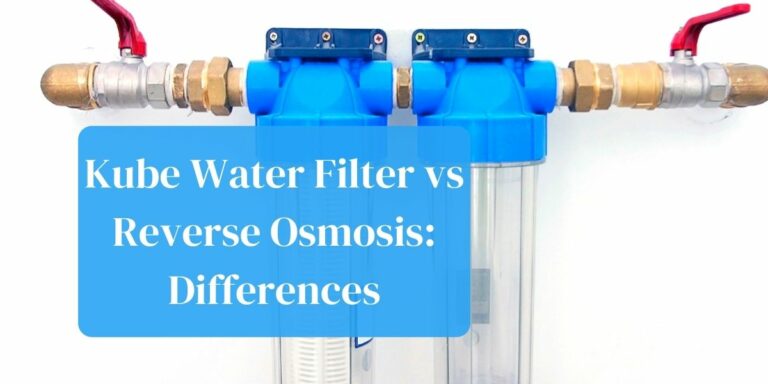
The short answer: a Kube under-sink filter and a reverse-osmosis system solve different water-quality problems. Kube uses replaceable adsorption and filtration media while retaining dissolved…
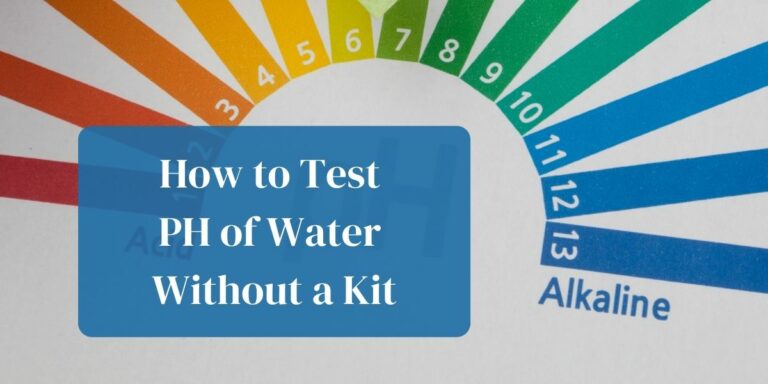
Red cabbage can show whether water is acidic or alkaline, but it cannot prove drinking-water safety. Here is how to use it correctly.
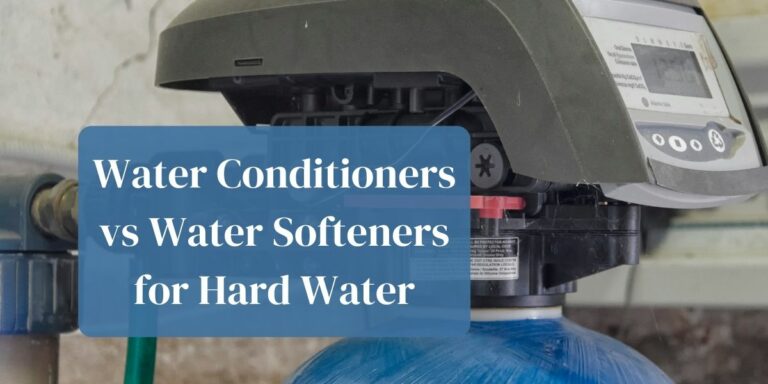
A water softener removes hardness ions through ion exchange. A water conditioner is a broader, inconsistently used term for equipment that may change scale behaviour,…
A rotten-egg smell in shower water usually points to hydrogen sulfide or sulfur-related bacteria, but the location of the odor matters. If it appears only…
Tap water can smell like bleach because water suppliers use chlorine or related disinfectants to control harmful microorganisms. A mild chlorine smell may be normal,…
A metallic or bitter taste can come from copper, iron, zinc, corrosion, stagnant plumbing or the hot-water system. It can also be a taste change…
Compare reverse osmosis and distilled water by contaminant removal, energy, water use, maintenance, and the best fit for your home.
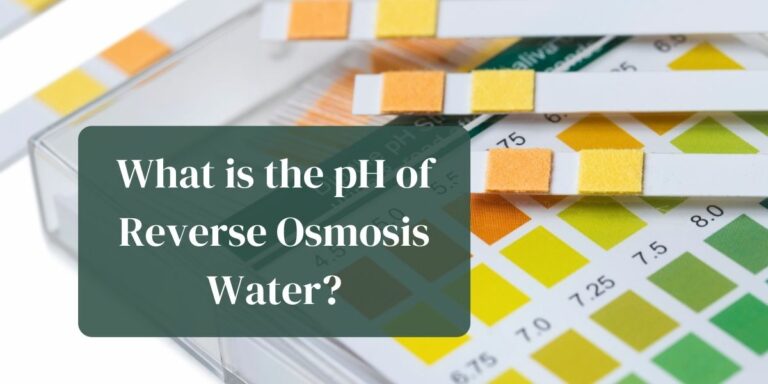
Reverse-osmosis water is often mildly acidic, but it has no fixed pH. Learn why readings vary, how to test correctly and when to troubleshoot.