Reverse-osmosis water does not have one fixed pH. A freshly produced sample may be close to neutral or mildly acidic, often somewhere around pH 5 to 7, but the result depends on the feed water, membrane, dissolved carbon dioxide, storage tank and the way the sample is measured.
A number such as 5.5 is not automatically evidence that the RO system has failed or that the water is unsafe. pH is only one water-quality measurement, and low-mineral water is unusually easy to shift with small chemical changes.
Why reverse-osmosis water can measure below pH 7
An RO membrane rejects many dissolved ions, including much of the alkalinity that helped the incoming water resist changes in pH. Dissolved carbon dioxide can pass through many membranes more readily than charged bicarbonate ions. In the product water, carbon dioxide reacts with water to form a small amount of carbonic acid.
The same chemistry explains why water exposed to air can become mildly acidic. The U.S. Geological Survey notes in its guide to pH and water that ordinary rain is slightly acidic because atmospheric carbon dioxide dissolves in it.
This does not mean every RO sample will be acidic. Feed-water chemistry, membrane rejection, post-filters, remineralization cartridges and contact with plumbing can all change the reading.
Why RO water pH is difficult to measure
A pH meter measures hydrogen-ion activity, not the amount of acid present. Low-conductivity water contains few ions, so common meters may respond slowly, drift or give a result that changes as the sample absorbs carbon dioxide from the air.
- Measure promptly. Collect a fresh sample in a clean container and test it without prolonged stirring or exposure.
- Calibrate the meter. Use fresh buffer solutions that bracket the expected result.
- Use suitable equipment. A meter and electrode intended for low-conductivity water will be more reliable than a cheap general-purpose pen.
- Rinse correctly. Follow the manufacturer’s instructions and avoid contaminating the sample with buffer or cleaning solution.
- Repeat the test. Compare several fresh samples rather than relying on one reading.
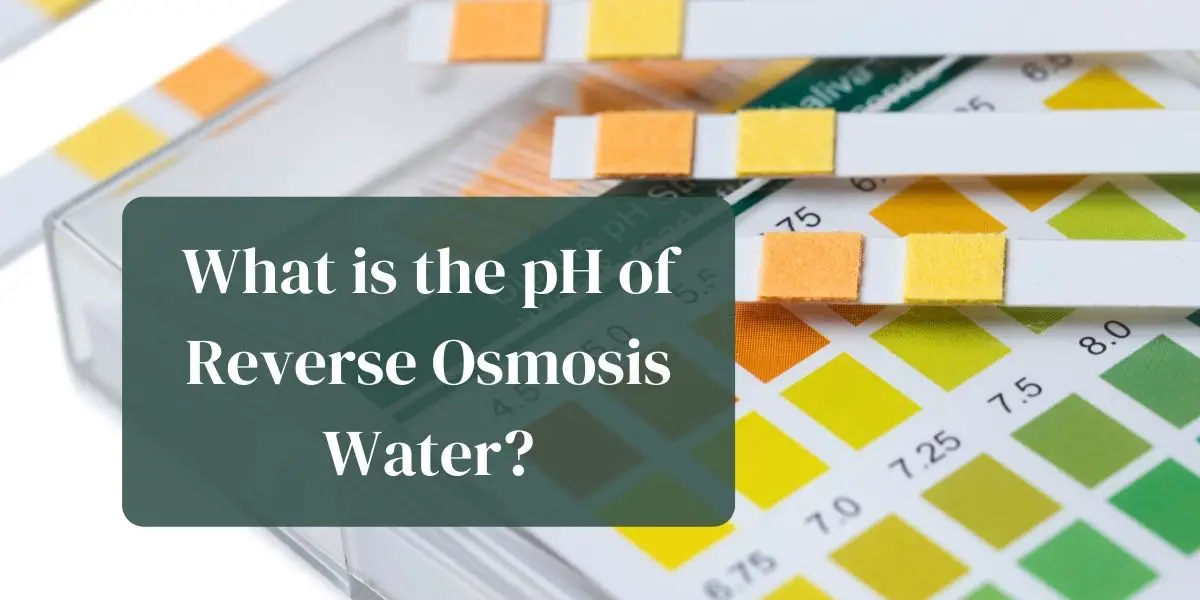
Color strips can give a rough indication, but they are not ideal when you need a precise answer. If the result will guide treatment, corrosion control or a health decision, use an accredited laboratory.
pH, alkalinity and total dissolved solids are different
pH describes how acidic or basic a sample is at that moment. Alkalinity describes the water’s capacity to neutralize acid and resist a pH change. Total dissolved solids estimates the amount of dissolved material. These measurements are related, but none can substitute for the others.
RO treatment commonly lowers total dissolved solids and alkalinity. That is why a small amount of carbon dioxide can move the measured pH more than it would in well-buffered tap water.
Is mildly acidic RO water safe to drink?
pH alone cannot determine whether water is safe. The important questions are whether harmful contaminants are present, whether the treatment system is operating as designed and whether low-alkalinity water is causing corrosion or leaching metals from plumbing.
In the United States, the EPA lists pH 6.5–8.5 as a secondary drinking-water guideline. Secondary standards address qualities such as taste, odor, appearance and corrosivity; they are not the same as enforceable health-based contaminant limits.
If RO water has an unexpected taste, a sudden pH change, visible particles or a reading far outside the system’s normal range, stop guessing and investigate the system. Test the feed and product water, confirm maintenance, and consider a certified laboratory panel relevant to local risks.
Does low pH mean the water has no minerals?
No. pH does not report mineral concentration. RO removes a large proportion of many dissolved substances, but removal varies by ion, membrane, pressure and condition. A pH reading cannot tell you how much calcium, magnesium, sodium or a particular contaminant remains.
Likewise, adding a remineralization cartridge may raise alkalinity and sometimes pH, but performance depends on media, contact time and flow. Our guide to remineralizing RO water compares practical options without treating them as a medical requirement.
When should you troubleshoot the RO system?
- The pH or conductivity changes sharply from the system’s established baseline.
- Product-water total dissolved solids rise substantially relative to feed water.
- Flow falls, the system drains continuously or the storage tank behaves abnormally.
- Filters or the membrane are overdue for replacement.
- The water develops a persistent unusual taste or odor.
- Household plumbing contains materials that may be vulnerable to corrosive water.
Start with the manufacturer’s performance specifications and maintenance schedule. Check the RO storage-tank pressure if flow is poor, and work through our RO troubleshooting guide for other symptoms.
Should you raise the pH?
Not automatically. If the water tastes acceptable, laboratory results are satisfactory and it is not causing corrosion, a mildly acidic meter reading may not require correction. Do not add alkaline chemicals by eye.
If testing confirms low alkalinity or corrosion risk, options can include a correctly sized calcite post-filter, blending, or another professionally specified treatment step. Retest after any change, because excessive treatment can create scale or an unpleasant taste.
Bottom line
Reverse-osmosis water is often mildly acidic because treatment removes buffering ions while dissolved carbon dioxide remains. The exact pH is system- and sample-dependent. Measure it carefully, interpret it alongside alkalinity, conductivity and contaminant testing, and investigate a change from the system’s normal baseline rather than chasing a universal target.