
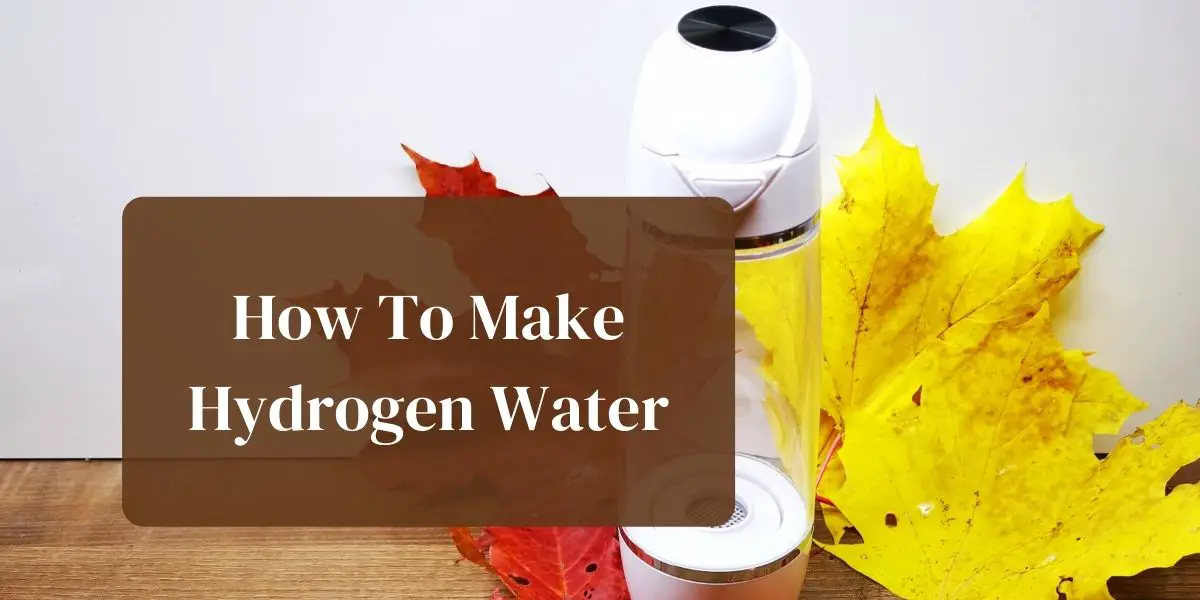
Hydrogen water is drinking water containing dissolved molecular hydrogen gas, written H₂. It is not the same as hydrogen peroxide, acidic water or ordinary water described with vague hydrogen-rich marketing.
Commercial devices usually make it by electrolysis, while some tablets generate hydrogen through a controlled reaction. The health evidence is still preliminary, and homemade electrical or chemical methods can create unsafe by-products.
How hydrogen is added to water
| Method | How it works | Main caution |
|---|---|---|
| Electrolysis bottle or generator | An electrochemical cell produces molecular hydrogen | Electrode materials, gas separation and cleaning matter |
| Hydrogen tablet | A formulated ingredient reacts in water to release H₂ | Use only a food-intended product exactly as directed |
| Prepackaged hydrogen water | Water is produced and sealed to retain gas | Hydrogen declines after opening and during storage |
| Gas infusion | Purified hydrogen is dissolved under controlled conditions | Specialised equipment and gas safety are required |
Do not improvise a DIY reaction
Do not place batteries, exposed electrodes, scrap magnesium or unidentified chemicals into drinking water. An improvised cell can release metals, alter pH, create chlorine compounds when chloride is present, or mix hydrogen and oxygen gases. Hydrogen is flammable, particularly in an enclosed space.
A purpose-built product should specify water quality, operating time, cleaning, electrode materials and safety controls. Use potable water; the device does not make contaminated source water safe.
What does the research show?
Small clinical trials have investigated hydrogen-rich water for metabolic, exercise and other outcomes, but study designs, doses and results vary. A 2024 systematic review of hydrogen-rich water described potential effects while calling for larger and more rigorous studies. That is not evidence that it prevents or treats disease in routine use.
- Treat wellness claims as uncertain, not established medical benefits.
- Look for registered trials, adequate control groups and clinically meaningful outcomes.
- Do not replace prescribed treatment, safe drinking water or a balanced diet.
- Ask a clinician about use during pregnancy, childhood or treatment for a health condition.
Regulators may treat disease-related advertising as therapeutic claims. Australia’s Therapeutic Goods Administration has taken enforcement action over hydrogen-product advertising and unregistered therapeutic goods, as described in its advertising enforcement notice.
How to use a commercial device more safely
- Confirm that the product is intended for drinking water and sold through a traceable supplier.
- Read the manual, warranty and water-quality limitations before first use.
- Clean and descale only with the approved procedure.
- Ventilate the area and keep the device away from flames and heat.
- Drink the water promptly after generation because dissolved hydrogen escapes easily.
- Stop using a damaged, corroded or unusually smelling device.
How to assess product claims
A concentration expressed in parts per million or milligrams per litre should state when and how it was measured. Oxidation-reduction potential is not a direct measurement of dissolved hydrogen and does not prove a health effect. Ask whether an independent laboratory tested the finished device under normal use.
Compare the purchase price, replacement cells, cleaning, warranty and expected service life. A hydrogen generator is not a substitute for treatment chosen to remove contaminants. Start with our countertop water-filter guide or comparison of reverse-osmosis and distilled water if water quality is the real concern.
Bottom line
Hydrogen water is made by dissolving molecular hydrogen in potable water, usually with a designed electrolyser or formulated tablet. Evidence for health benefits remains limited. Avoid improvised chemistry, reject disease-treatment promises and evaluate any device on transparent testing, safe construction and total cost.

Can I make my own hydrogen water? I’m on a limited budget and can’t afford to buy it. sherritripp86@gmail.com