
Reverse Osmosis Air Gap vs Non-Air-Gap Faucets
An air-gap reverse-osmosis faucet routes the system’s drain tubing through a physical break above the sink’s flood level. A non-air-gap faucet carries only treated water…
An air-gap reverse-osmosis faucet routes the system’s drain tubing through a physical break above the sink’s flood level. A non-air-gap faucet carries only treated water…
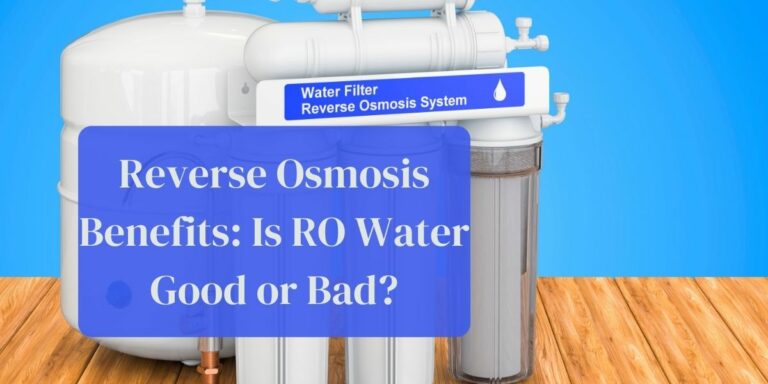
Reverse osmosis can reduce many dissolved contaminants in drinking water when the exact system is certified for those claims and maintained correctly. Its main advantages…
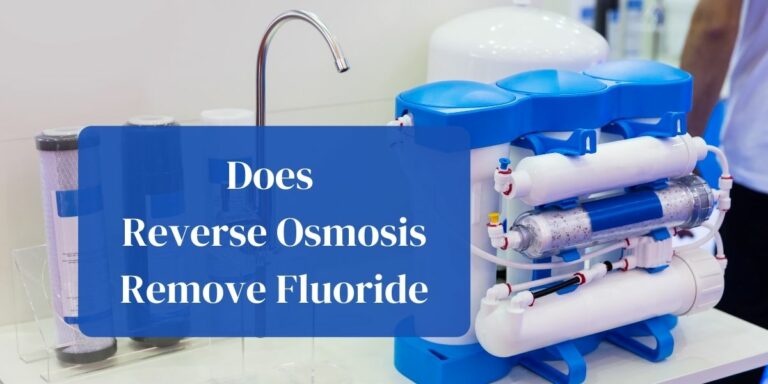
Yes, reverse osmosis can reduce fluoride, but performance is model-specific. Choose a system independently certified for fluoride reduction, operate it within its rated pressure and…
Compare reverse osmosis and distilled water by contaminant removal, energy, water use, maintenance, and the best fit for your home.
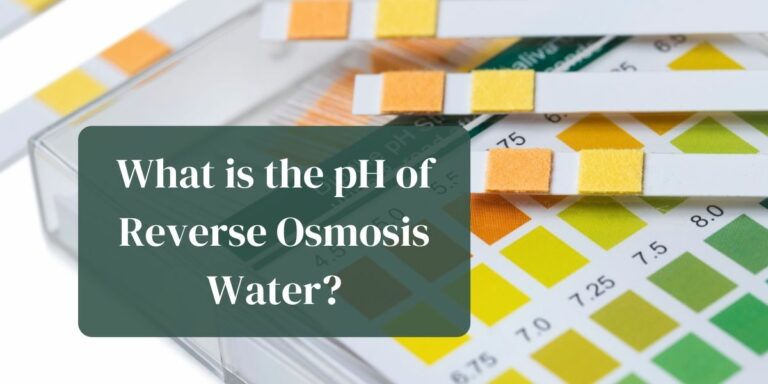
Reverse-osmosis water is often mildly acidic, but it has no fixed pH. Learn why readings vary, how to test correctly and when to troubleshoot.
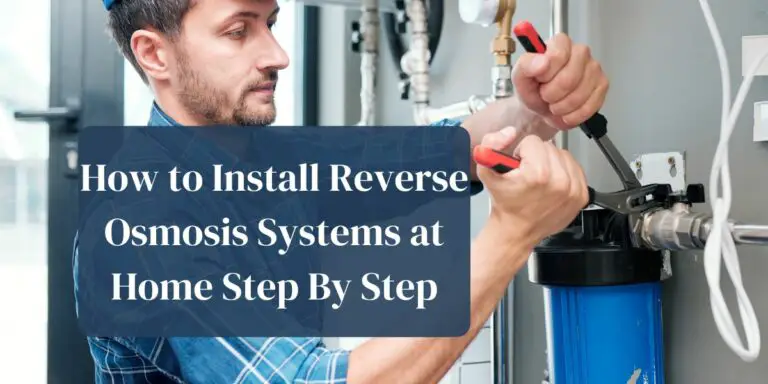
An under-sink reverse-osmosis system normally connects to the cold-water line, a dedicated faucet, a storage tank and a drain. Installation is manageable for an experienced…
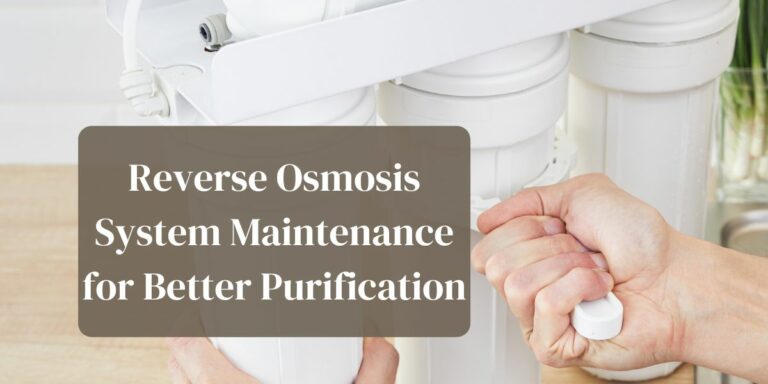
Reverse-osmosis maintenance protects contaminant-reduction performance, flow and hygiene. The correct schedule comes from the exact system manual, feed-water quality and measured performance—not a universal six-month…